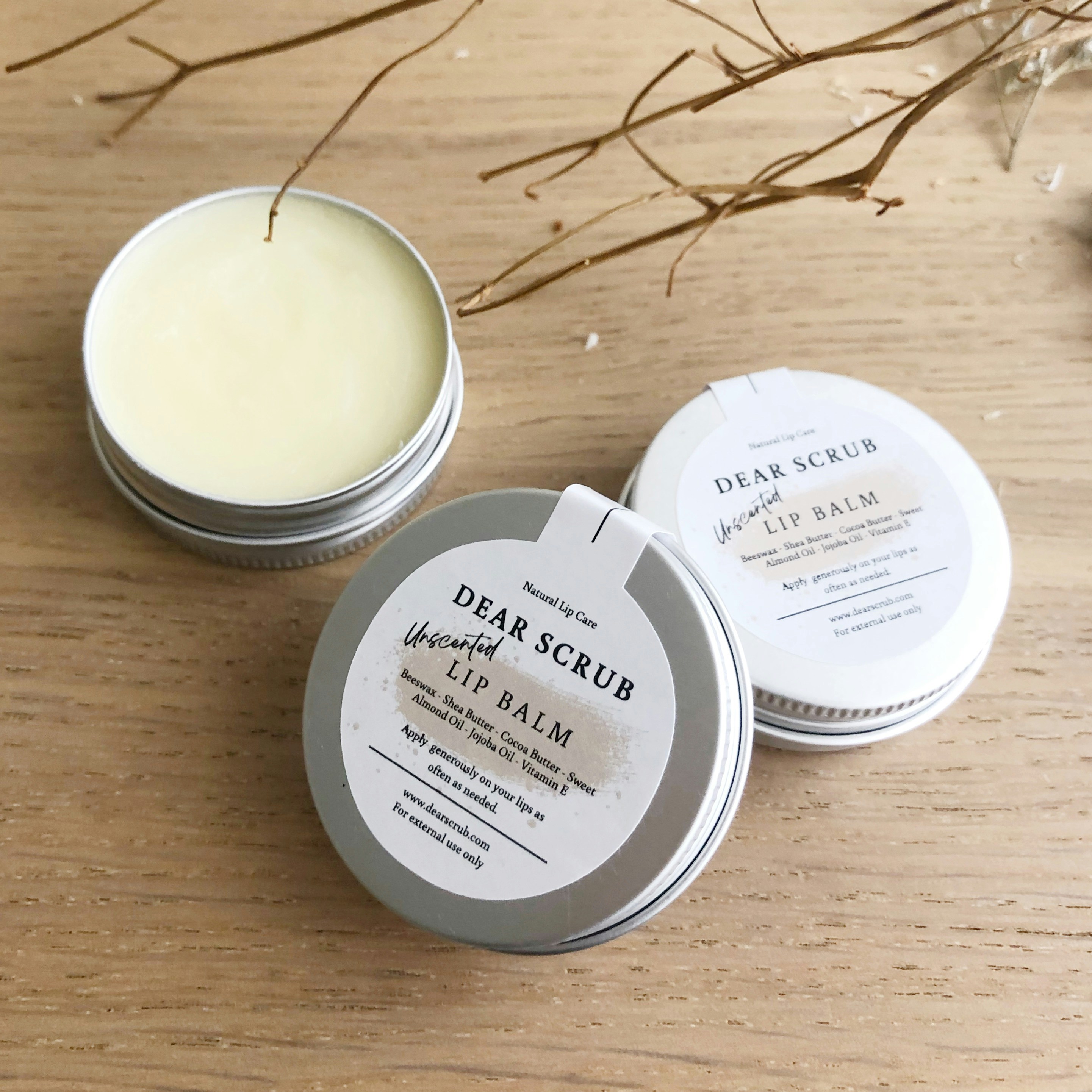
Introduction to Lip Balm Ingredients
Lip balm is a staple in many individuals’ personal care routines, serving a pivotal role in the maintenance and protection of lip health. The delicate skin on our lips is particularly susceptible to environmental factors, such as sun exposure, wind, and dryness. Consequently, the need for effective moisturization and barrier protection becomes essential. The right lip balm can provide relief from chapped or cracked lips while ensuring a smooth, hydrated appearance.
Understanding the components of lip balm is crucial for choosing the most suitable product, especially when considering the variety of offerings available in Australia. Various lip balm ingredients contribute to different formulations, each aimed at achieving specific benefits ranging from moisture retention to protection against harsh weather. Additionally, many Australian consumers are increasingly seeking natural lip balm options, emphasizing the importance of selecting high-quality, natural lip balm ingredients that not only serve their purpose but also align with their preferences for sustainability and health consciousness.
The selection of lip balm ingredients can dramatically influence the effectiveness and overall experience of the product. For instance, natural oils such as coconut oil, shea butter, and jojoba oil are common in many lip balms due to their nourishing properties. Moreover, beeswax is often included for its barrier-forming abilities, which help to lock in moisture. In contrast, synthetic additives may offer various benefits, but they can sometimes lead to irritation or allergic reactions in sensitive users. Therefore, it is imperative to examine the ingredient list before making a purchase and opt for formulations that utilize skin-friendly components.
Natural Oils: A Key Component
Natural oils serve as a fundamental ingredient in the formulation of lip balms, contributing significantly to their moisturizing properties, texture, and overall effectiveness. Among the various types of oils, coconut oil, almond oil, and jojoba oil are particularly prevalent in Australia, where consumers increasingly favor products made from natural lip balm ingredients.
Coconut oil is renowned for its exceptional hydration qualities. Its medium-chain fatty acids rapidly penetrate the skin’s barrier, providing deep moisture without leaving a greasy residue. This oil is favored not only for its moisturizing capabilities but also for its antimicrobial properties, which help protect the lips from harmful bacteria, making it an excellent choice in lip care formulations found in natural lip balm Australia. The lightweight texture of coconut oil allows for easy application and absorption, ensuring lasting hydration for dry, chapped lips.
Almond oil is another popular oil used in lip balms. Rich in vitamins E and A, it nourishes and revitalizes the skin. Its emollient properties work effectively to soothe irritated lips while providing a protective barrier against environmental factors. Almond oil also allows for quick absorption, which is particularly beneficial for those seeking immediate relief from dryness. This makes it a common element in products boasting high-quality lip balm ingredients, ensuring that users experience both comfort and care.
Jojoba oil, which closely resembles natural skin oils, is another valuable ingredient in lip balms. It not only moisturizes but also balances the skin, thus preventing excess oiliness or dryness. Jojoba oil’s unique structure allows it to mimic the skins’ natural sebum, ensuring that the product remains effective throughout the day. The inclusion of these natural oils highlights the focus of many Australian brands on crafting soothing, effective lip care products that harness the benefits of nature.
Beeswax: The Natural Emollient
Beeswax is a key ingredient in many formulations of natural lip balm in Australia, celebrated for its emollient properties and its ability to create a protective barrier on the lips. As a natural substance produced by honeybees, beeswax is not only biodegradable but also enhances the overall quality of lip care products. Its unique composition allows it to lock in moisture while simultaneously shielding the delicate skin of the lips from environmental aggressors such as harsh weather and pollutants.
One of the primary benefits of beeswax as a lip balm ingredient is its moisturizing effect. Unlike synthetic alternatives that may contain petroleum-based substances, beeswax delivers hydration through a natural, plant-compatible medium. This creates a soothing effect that significantly reduces dryness and prevents chapping, making it particularly beneficial for those living in Australia’s varied climates. Its ability to help maintain skin elasticity is another advantage, as it prevents the lips from becoming taut or irritated.
Furthermore, beeswax contributes to the overall texture of lip balms, imparting a pleasant glide that enhances usability. It helps in providing a thicker consistency that prevents the balm from easily melting or breaking down upon application. This characteristic is particularly advantageous in warmer climates often experienced across Australia. When comparing beeswax to synthetic ingredients, it is clear that natural waxes tend to be more beneficial for long-term lip health, fostering a more restorative environment for the skin.
In conclusion, the inclusion of beeswax in lip balm formulations is a testament to the advantages of using natural ingredients. Its emollient properties not only enhance hydration but also ensure a protective layer for lips, making it an essential component in the creation of effective and enjoyable lip care products in Australia.
Shea Butter and Cocoa Butter: The Moisture Lockers
Shea butter and cocoa butter are universally recognized for their exceptional moisturizing properties, making them staple ingredients in many lip balms available in Australia. Both butters are derived from natural sources, providing essential nutrients that naturally hydrate the skin. Shea butter, harvested from the nuts of the Karite tree, is rich in fatty acids that promote hydration and contribute to the overall health of the lips. Similarly, cocoa butter, extracted from cocoa beans, not only enhances moisture retention but also adds a pleasant aroma that many consumers appreciate.
The benefits of incorporating these lip balm ingredients extend beyond simple hydration. Shea butter, known for its anti-inflammatory properties, can help soothe irritated lips and reduce redness. This makes it particularly suitable for individuals who battle chapped or dry lips, conditions that can be exacerbated by Australia’s diverse climate. Cocoa butter complements these effects, functioning as a protective barrier that locks in moisture and aids in healing damaged skin. Together, these butters create a powerful combination that keeps lips soft, smooth, and well-nourished.
Australian consumers often gravitate towards natural lip balm products that feature shea and cocoa butter, valuing ingredients that are derived from nature and free from harmful chemicals. The preference for natural lip balm in Australia aligns with a growing trend towards sustainability and wellness. By choosing lip balms enriched with these butters, consumers support healthier lips while enjoying the peace of mind that comes with using products made from high-quality, natural ingredients.
In conclusion, shea butter and cocoa butter are pivotal to formulating an effective lip balm. Their moisture-locking capabilities and nourishing attributes make them favorites among consumers seeking hydration and skin health, particularly in the Australian Beauty market.
Essential Oils: Flavor and Function
Essential oils play a significant role in the formulation of lip balms, serving both aromatic and therapeutic purposes. In Australia, the incorporation of essential oils not only adds flavor but also enhances the overall effectiveness of natural lip balm products. The diversity of these oils allows formulators to cater to various preferences while providing additional benefits for the lips and sensorial experience.
One of the most prevalent essential oils used in lip balms is peppermint oil. Known for its refreshing and cooling properties, peppermint oil can invigorate the senses and promote a tingling sensation upon application. Furthermore, this essential oil is often associated with improved blood circulation, which can contribute to fuller-looking lips. Its natural antiseptic properties also help to soothe cracked or dry lips, making it an ideal choice for moisturizing formulations.
Another popular essential oil featured in Australian lip balms is tea tree oil, renowned for its potent antimicrobial characteristics. This oil not only aids in maintaining healthy lips but also provides relief for those suffering from common lip irritations. The soothing effects of tea tree oil are particularly beneficial in combating dryness and promoting overall lip health. Additionally, it serves as a perfect complement to natural lip balm ingredients due to its subtle yet distinct aroma.
Incorporating essential oils into lip balm formulas can also create a pleasant and enjoyable user experience. The olfactory experience derived from these oils fosters a sense of relaxation and wellbeing, enhancing their appeal. As consumers increasingly seek products aligned with natural and holistic practices, the popularity of essential oil-infused lip balms continues to grow across Australia. The balance of flavor and function provided by these oils underscores the importance of thoughtful ingredient selection in crafting the perfect lip balm formula.
Natural Colorants: Fun and Safe Additions
Natural colorants play an essential role in the formulation of lip balms, enhancing their visual appeal while ensuring safety for consumers. As the trend for natural and organic products grows, particularly in Australia, manufacturers are increasingly seeking out natural lip balm ingredients that not only provide functionality but also add an aesthetic element to their offerings. This is particularly relevant in a market where consumers are more conscious than ever about the products they put on their bodies.
Common natural colorants found in lip balms include beetroot powder, which offers a vibrant red hue, and cacao powder, delivering a subtle brown tint. These ingredients not only provide color but are also rich in antioxidants and nutrients beneficial for the skin. Other examples include spirulina, a blue-green algae that can lend a unique shade to lip balms, and turmeric, known for its golden hue and anti-inflammatory properties. The use of such natural colorants in lip balm formulations aligns with the values of many consumers who prefer products made from sustainable and non-toxic ingredients.
In Australia, the availability of native plants and resources has allowed local brands to incorporate indigenous botanicals, such as annatto seeds, which yield a warm orange color. This not only promotes local agriculture but also resonates with consumers who are increasingly interested in the cultural narratives behind their products. By utilizing these natural colorants, manufacturers are able to differentiate their lip balms in a crowded market while promoting a commitment to safety and environmental consciousness.
In conclusion, the incorporation of natural colorants in lip balm formulations enhances not only the visual aspect but also aligns with the growing demand for safer, environmentally friendly products in Australia. By prioritizing such ingredients, brands can appeal to modern consumers who value aesthetic appeal without compromising on safety or sustainability.
Vitamins and Antioxidants: Boosting Lip Health
In recent years, the market for natural lip balm in Australia has experienced remarkable growth, primarily due to increasing consumer awareness regarding the benefits of using high-quality ingredients. Among these ingredients, vitamins and antioxidants have gained significant attention for their ability to enhance lip health. They serve as essential components in formulating effective lip balms aimed at providing moisture and protection to the delicate skin of the lips.
One of the most notable vitamins incorporated into lip balm ingredients is Vitamin E. Known for its potent antioxidant properties, Vitamin E plays a crucial role in preventing oxidative damage caused by environmental stressors, such as UV radiation and pollution. Its application in lip balms helps to maintain softness while also fostering healing in dry or chapped lips. As such, Vitamin E has become a staple in formulations designed to provide hydration and nourishment.
Another beneficial ingredient that has captured attention in the Australian market is raspberry seed oil. This natural compound is rich in essential fatty acids and antioxidants, allowing it to enhance the overall efficacy of lip balms by delivering protection against cellular damage. Raspberry seed oil is also noted for its anti-inflammatory properties, contributing to promoting healing and soothing the lips. In a country where outdoor activities are prevalent, these attributes heighten its appeal among consumers looking for reliable lip care solutions.
The integration of vitamins and antioxidants into lip balm formulations signifies a growing trend focusing on health and well-being. As more Australians become inclined towards natural products, it is clear that the demand for lip balms enriched with these functional ingredients will continue to thrive. In conclusion, utilizing these potent components ensures that consumers are not only protecting their lips but also nourishing them for a healthier appearance.
Avoiding Harmful Additives: What to Watch Out For
When selecting a lip balm, it is crucial to pay attention to the ingredients that may be harmful to your health or the environment. Many commercial lip balms contain synthetic additives that can cause irritation or adverse reactions. Common culprits include synthetic fragrances, parabens, and phthalates. Synthetic fragrances, often used to enhance aroma, can lead to allergic reactions in sensitive individuals. Choosing a natural lip balm in Australia that avoids these additives not only protects your lips but also aligns with the growing trend toward clean beauty.
Parabens, frequently used as preservatives in various cosmetics, have come under scrutiny due to potential links to hormonal disruptions. While they are effective at prolonging shelf life, the safety of parabens has been questioned, prompting many consumers to opt for products that boast paraben-free formulas. Natural lip balm ingredients like beeswax, shea butter, and coconut oil serve as excellent alternatives, providing moisturizing benefits without the associated risks of synthetic preservatives.
Phthalates, which are used to enhance the flexibility and durability of products, are another group of additives that should be avoided. Exposure to phthalates has been linked to a variety of health concerns, leading many to advocate for their removal from personal care products. Consumers are increasingly seeking natural alternatives, particularly products labeled as cruelty-free and organic. When choosing a lip balm, look for certifications and ingredient transparency to ensure a product is genuinely safe.
The shift toward natural lip balm options in Australia reflects a broader awareness of health and environmental concerns. By opting for products without harmful additives, consumers not only safeguard their own health but also support a market that prioritizes sustainability and ethical practices.
Conclusion: Crafting Your Perfect Lip Balm
As we have explored the multifaceted world of lip balm ingredients, it becomes evident that understanding what goes into these products is essential for making informed choices. In Australia, where natural lip balm options are abundant, consumers have the opportunity to prioritize their health and the environment through their choices. The right ingredients, such as beeswax, shea butter, and essential oils, not only provide nourishment but also create a protective barrier against the elements.
When selecting a lip balm, it is crucial to evaluate the composition and efficacy of the ingredients. Natural lip balm in Australia often features components that are both effective and gentle, catering to various skin types and preferences. By choosing formulations with minimal synthetic substances, one can support not just personal health but also eco-friendly practices. Sustainable sourcing and cruelty-free testing resonate strongly with conscientious consumers, establishing a connection with brands that reflect their values.
Furthermore, the idea of crafting your custom lip balm presents an exciting avenue for exploration. By experimenting with different lip balm ingredients, individuals can create a product tailored to their specific lip care needs. This personalized approach not only enhances the overall experience but also allows for full control over the ingredients used, creating a perfect blend that resonates with one’s ideals.
In conclusion, whether you are delving into the world of pre-made lip balms or considering crafting your own, understanding lip balm ingredients is a vital step. As you explore the myriad options available in Australia, you can make choices that align with your preferences, needs, and values in lip care, ensuring that your lips receive the best possible care they deserve.