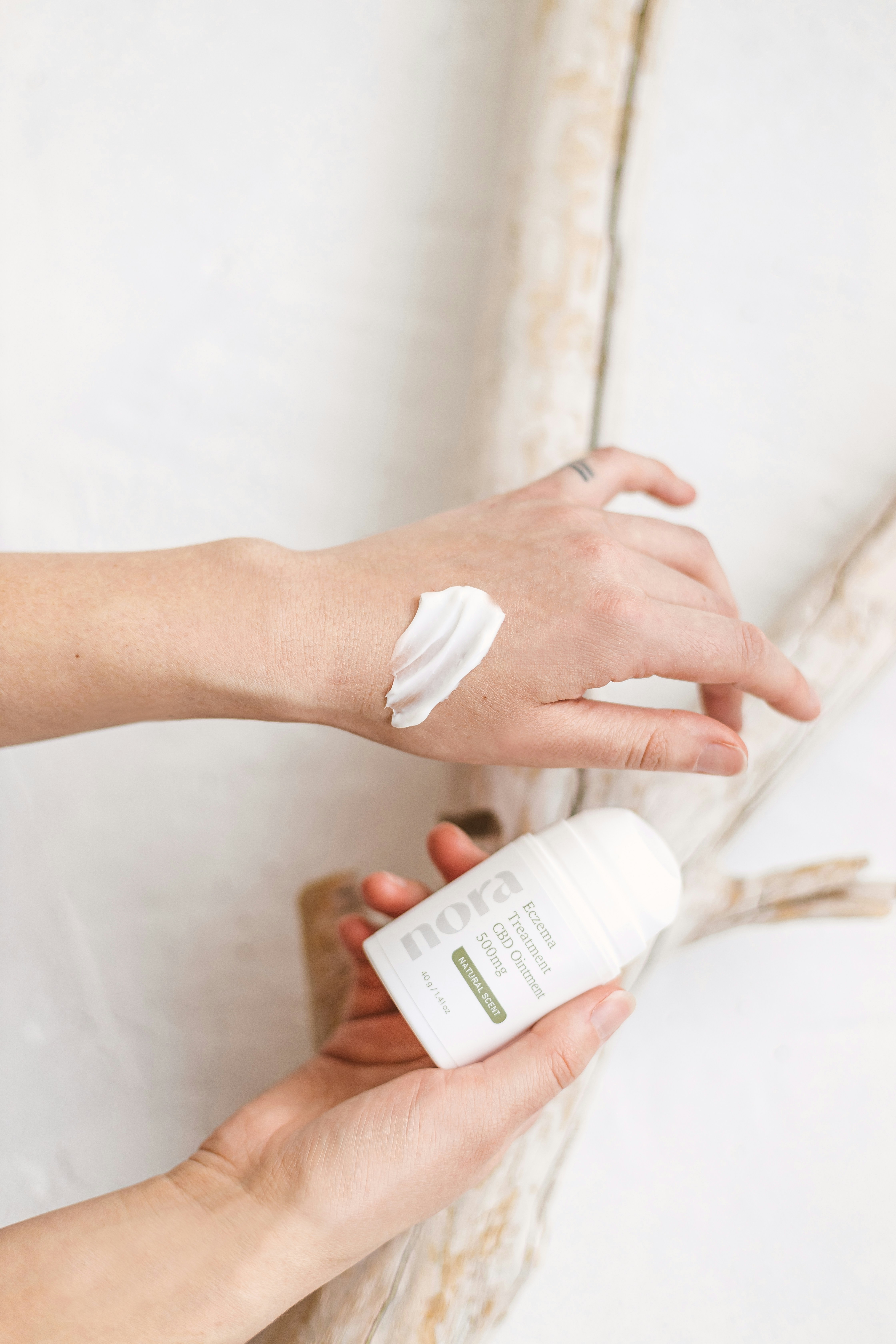
Understanding Dry Skin
Dry skin, also known as xerosis, is a common dermatological condition characterized by a lack of moisture in the outer layer of the skin. It can manifest through symptoms such as tightness, flaking, cracking, and itching. In Australia, the experience of dry skin is often influenced by climatic conditions and environmental factors, making it a pertinent issue for many individuals.
Australia’s diverse climate presents various challenges that can exacerbate dry skin symptoms. The summer months can bring extreme temperatures, intense sun exposure, and low humidity levels, leading to increased dehydration of the skin. Conversely, cooler winters can also lead to dry skin, especially when indoor heating systems are utilized, which can strip moisture from the air and consequently affect the skin’s hydration levels. Recognizing these seasonal changes is critical for those seeking effective natural skincare tips tailored to the local environment.
Additionally, individual skin types play a significant role in the susceptibility to dry skin. For instance, individuals with naturally oily skin may find that their skin becomes drier during winter, whereas those with inherently dry skin may struggle year-round. External irritants such as harsh soaps, certain skincare products, and environmental pollutants can aggravate the situation, stealing moisture and leading to further dryness and irritation.
Hydration, both internally through adequate water intake and externally via moisturizers, plays a vital role in maintaining skin moisture levels. It is essential to choose products enriched with natural ingredients known for their hydrating properties to address the issues of dry skin effectively. Awareness of these factors can empower individuals to implement appropriate skincare routines suited to their specific needs and environmental circumstances.
The Role of Diet in Skin Health
Diet plays a crucial role in maintaining skin health, particularly for those experiencing dry skin in Australia. The connection between nutrition and skin moisture levels is well-documented, as certain vitamins and nutrients can significantly influence skin hydration and overall appearance. Incorporating a balanced diet rich in these essential nutrients can help combat the symptoms associated with dry skin.
One of the most important vitamins for skin health is vitamin E, which is a powerful antioxidant that aids in repairing skin damage and improving moisture retention. Foods such as almonds, sunflower seeds, and avocados are excellent sources of vitamin E. Another critical nutrient is omega-3 fatty acids, which help strengthen the skin’s barrier and prevent moisture loss. Fatty fish like salmon and sardines, as well as plant-based sources like flaxseeds and walnuts, are beneficial additions to the diet.
In addition to vitamins and fats, including plenty of hydration-rich foods can play a vital role in addressing dry skin. Fruits such as watermelon, cucumbers, and oranges have high water content, which can contribute to overall skin hydration. Moreover, leafy greens like spinach and kale are packed with vitamins and minerals essential for maintaining skin elasticity and moisture.
On the other hand, some foods should be minimized or avoided to maintain optimal skin health. Highly processed foods, sugars, and excessive caffeine can contribute to inflammation and dryness in the skin. Alcohol consumption should also be moderated, as it can dehydrate the skin and exacerbate the dryness experienced by many Australians.
Incorporating Australian superfoods like kakadu plum, which is exceptionally high in vitamin C, and macadamia nuts, rich in monounsaturated fats, can enhance skin hydration and overall health. Implementing these natural skincare tips through dietary choices can offer a holistic approach to alleviating dry skin.
Natural Oils for Skin Hydration
Dry skin in Australia can be a common concern, particularly due to the diverse climate that ranges from humid coastal regions to arid inland areas. Natural oils have emerged as effective solutions for moisturizing and hydrating the skin. Among these, coconut oil, jojoba oil, and almond oil are particularly noteworthy.
Coconut oil is renowned for its exceptional hydrating properties. It contains medium-chain fatty acids that provide deep moisture and create a protective barrier on the skin, preventing water loss. To apply, simply warm a small amount in your hands and gently massage it onto the affected areas. Incorporating coconut oil into your daily skincare routine can significantly alleviate dryness, especially after showering when the skin is still damp.
Jojoba oil, unlike other oils, closely resembles the natural sebum produced by our skin. This similarity allows it to easily penetrate the skin, providing hydration without clogging pores. Its anti-inflammatory properties can soothe irritated skin, making it an excellent choice for those dealing with dry patches. For optimal results, add a few drops of jojoba oil to your moisturizer or use it directly as a facial oil.
Almond oil is another beneficial option, rich in vitamins E and A, which support skin repair and rejuvenation. It nourishes the skin, reduces inflammation, and can improve complexion. A gentle massage with almond oil can not only hydrate the skin deeply but also enhance blood circulation. As part of your natural skincare tips, consider using almond oil as a nighttime treatment to allow for maximum absorption while you sleep.
When integrating these natural oils into your skincare regimen, consistency is key. Utilizing them daily will help in achieving lasting hydration, ultimately combating dry skin in Australia effectively.
DIY Skin Care Recipes
For those experiencing dry skin in Australia, crafting your own skincare products can be an effective and enjoyable solution. Here are several simple do-it-yourself recipes that use natural ingredients readily available in the region. These recipes aim to hydrate and soothe dry skin, providing you with accessible options that can enhance your skincare routine.
1. Coconut Oil and Honey Moisturizer: Begin with 2 tablespoons of organic coconut oil and mix in 1 tablespoon of raw honey. Gently warm the coconut oil until it melts, then combine it with honey until smooth. Apply this mixture to your face and body, allowing it to penetrate for 30 minutes before rinsing with warm water. Coconut oil is renowned for its moisturizing properties, while honey serves as a natural humectant, drawing moisture to the skin.
2. Oatmeal and Yogurt Face Mask: For a soothing mask, mix 2 tablespoons of ground oats with 2 tablespoons of plain yogurt. Apply the blend to your face, leaving it on for 20 minutes. Oats are known for their ability to relieve dryness and irritation, while yogurt provides lactic acid that helps exfoliate and hydrate the skin. Rinse off with lukewarm water for refreshed skin.
3. Avocado and Olive Oil Scrub: Combine half a ripe avocado with 2 tablespoons of extra virgin olive oil. Mash the avocado until smooth and mix thoroughly with olive oil. Gently scrub this mixture onto your face and body, using circular motions. Rinse with water after 10 minutes. Avocados are rich in healthy fats and vitamins that nourish dry skin, while olive oil provides deep hydration properties.
Incorporating these natural skincare tips into your routine can significantly improve dry skin conditions. The use of locally sourced ingredients ensures that you have easy access to effective solutions. Each recipe not only offers relief from dryness but also encourages a deeper understanding of the benefits of natural skincare methods. Experimenting with these DIY recipes can lead to beautiful, hydrated skin while embracing a holistic approach to skincare.
Hydration and Its Importance
Maintaining proper hydration is essential for healthy skin, particularly for individuals experiencing dry skin in Australia. Water consumption directly impacts skin health, contributing to its elasticity, firmness, and overall appearance. Dehydrated skin can exacerbate issues such as flakiness, irritation, and premature aging, making it crucial to prioritize adequate fluid intake.
On average, health experts recommend that individuals consume about 2 to 3 liters of water daily, though factors such as age, sex, activity level, and climate can influence specific hydration needs. In warm Australian climates, the body tends to lose fluids more quickly due to increased perspiration, thus necessitating a higher intake to maintain skin hydration and overall health. Striving to meet these hydration goals fosters not only optimal skin function but also supports various bodily processes, including temperature regulation and nutrient transportation.
To increase water intake effectively, individuals can adopt several practical strategies. First, carrying a refillable water bottle throughout the day serves as a constant reminder to hydrate. Setting specific goals, such as drinking a glass of water before each meal or during certain intervals, can also help in maintaining an adequate intake. Additionally, incorporating water-rich foods such as cucumbers, oranges, and watermelons into one’s diet can supplement hydration levels significantly.
Moreover, being mindful of hydration during outdoor activities is important, especially in Australia, where the sun’s intensity can lead to faster water loss. Utilizing applications or smartphone alarms to track water consumption can also encourage consistent intake. By prioritizing hydration, individuals can assist in combating dry skin while enhancing their overall health and wellbeing.
Protecting Skin from Environmental Factors
Australia’s unique climate and environmental conditions can pose significant challenges for individuals with dry skin. Factors such as high levels of UV radiation and pollution can exacerbate skin issues, making it essential to adopt protective measures as part of any natural skincare tips regimen. One of the most critical aspects of safeguarding dry skin is effective sun protection. Applying a broad-spectrum sunscreen with an SPF of at least 30 is advisable, particularly during the sun’s peak hours, which typically range from 10 a.m. to 4 p.m. Look for formulations that offer additional hydration, as these will not only protect the skin but also help maintain its moisture levels.
In addition to direct sun protection, it is prudent to minimize exposure to environmental irritants that can further compromise dry skin integrity. This includes staying away from areas with heavy pollution or chemical exposure when possible. Wearing protective clothing, such as long sleeves and wide-brimmed hats, can also provide a barrier against harmful pollutants and UV rays, particularly during outdoor activities. Choosing natural fabrics, such as cotton or linen, can further enhance comfort and reduce irritation.
Furthermore, incorporating hydrating products that contain beneficial ingredients can bolster the skin’s defenses. Look for moisturizers enriched with natural oils, antioxidants, and humectants that can draw moisture into the skin and create a protective barrier. Regularly reapplying these products, especially after swimming or sweating, will help maintain skin integrity throughout the day. Always consider your unique needs and skin type when selecting products, and be mindful of potential allergens in formulations that may aggravate dryness.
By implementing these protective measures against environmental factors, individuals in Australia can effectively manage dry skin and enjoy healthy, hydrated skin year-round.
The Benefits of Regular Exfoliation
Exfoliation plays a crucial role in enhancing skin texture and improving moisture retention, especially for individuals experiencing dry skin in Australia. By sloughing off dead skin cells, exfoliation reveals healthier, more radiant skin beneath, facilitating better absorption of moisturizers and other skincare products. This process not only aids in rejuvenating the skin but also prevents the buildup of dry, flaky patches that can lead to discomfort.
When considering types of exfoliants suitable for dry skin, two main categories come to mind: physical and chemical exfoliants. Physical exfoliants, such as gentle scrubs or exfoliating mitts, rely on the mechanical action of rubbing the skin to remove dead cells. However, it is imperative to choose soft formulations that do not cause micro-tears. Conversely, chemical exfoliants contain alpha-hydroxy acids (AHAs) or beta-hydroxy acids (BHAs) that dissolve dead skin cells without the need for scrubbing. Products containing lactic acid or glycolic acid are particularly beneficial, as they hydrate the skin while exfoliating, making them ideal choices for those with dry skin conditions.
For an effective skincare routine, determining when to exfoliate is essential. Generally, exfoliating 1-2 times per week is sufficient for dry skin without risking irritation. Over-exfoliation may lead to further dryness and sensitivity, counteracting the benefits of a natural skincare regimen. Incorporating exfoliation into your routine can be seamlessly done by using an exfoliating product after cleansing; this approach enhances the overall efficacy of subsequent moisturizing treatments. Always follow up with a nourishing moisturizer to lock in hydration, maintaining skin balance and preventing dryness.
Regular exfoliation, performed thoughtfully, provides significant benefits for those struggling with dry skin in Australia. By carefully selecting the right products and frequency, individuals can promote a smoother, more hydrated complexion while adhering to effective natural skincare tips.
Professional Treatments for Dry Skin
Dry skin can often be a manifestation of underlying issues that go beyond typical surface care. For residents in Australia experiencing persistent or severe cases of dry skin, seeking professional treatment may be necessary. Dermatologists are equipped to offer tailored solutions that consider individual skin types and conditions. They can help identify whether the dryness is a result of environmental factors, skin disorders, or allergic reactions.
One available treatment is a chemical peel, which involves the application of a solution to exfoliate the skin, removing the outermost layer, allowing for a fresh layer to emerge. This procedure is particularly beneficial for individuals with extensive dry skin that may be compounded by age or sun damage. Additionally, chemical peels can enhance the effectiveness of at-Home hydration efforts by ensuring a smoother skin surface.
Microneedling is another professional treatment that promotes skin rejuvenation. Using fine needles, this technique creates micro-injuries in the skin, which stimulates the body’s natural healing process. The result is improved hydration, texture, and overall appearance of the skin. This treatment can be particularly advantageous for those with chronic dry skin issues, as it enhances the absorption of topical treatments, allowing for better hydration.
Advanced hydration therapies, such as hyaluronic acid treatments or intravenous hydration, are also available in Australia. Such therapies replenish moisture levels significantly, offering immediate relief and a more lasting impact on skin hydration. It is essential to consult with a dermatologist to determine the suitability of these treatments based on individual skin conditions and needs.
Overall, when home remedies and natural skincare tips do not adequately address dry skin concerns, seeking professional help can pave the way for more effective treatment options and an improved skin texture. Early intervention can lead to better outcomes, making this a recommended step for individuals struggling with severe skin dryness.
Self-Care Strategies for Dry Skin Management
Managing dry skin can often feel challenging, especially in the diverse climate of Australia. However, adopting effective self-care strategies can greatly enhance skin health and alleviate dryness. The first step is to listen to your skin. Understanding its specific needs can inform your daily routine and help you identify potential triggers that exacerbate dryness. These triggers may include environmental factors such as exposure to harsh sunlight, cold winds, or indoor heating.
Creating a personalized skincare regimen is crucial for combating dry skin. Begin by choosing a gentle cleanser that does not strip the skin of its natural oils. Follow this with a hydrating toner, which can help restore moisture balance. Opt for serums containing hyaluronic acid or glycerin, as these ingredients draw moisture into the skin. For moisturizing, look for thick, emollient creams or oils that provide lasting hydration. Ingredients like shea butter and jojoba oil are excellent natural options that can be easily found in many skincare products.
Additionally, enhancing your diet with foods rich in omega-3 fatty acids, antioxidants, and vitamins can support skin hydration from the inside. Consider incorporating avocados, nuts, and fatty fish into your meals. Staying hydrated is equally important—ensure you drink plenty of water throughout the day. This simple habit can make a significant difference in maintaining skin moisture.
Lastly, do not underestimate the importance of regular exfoliation. Gently removing dead skin cells once or twice a week helps prevent build-up and allows moisturizers to penetrate more effectively. By integrating these well-rounded natural skincare tips into your routine, you can enhance your skin’s resilience against dryness and improve overall skin health tailored to your needs.