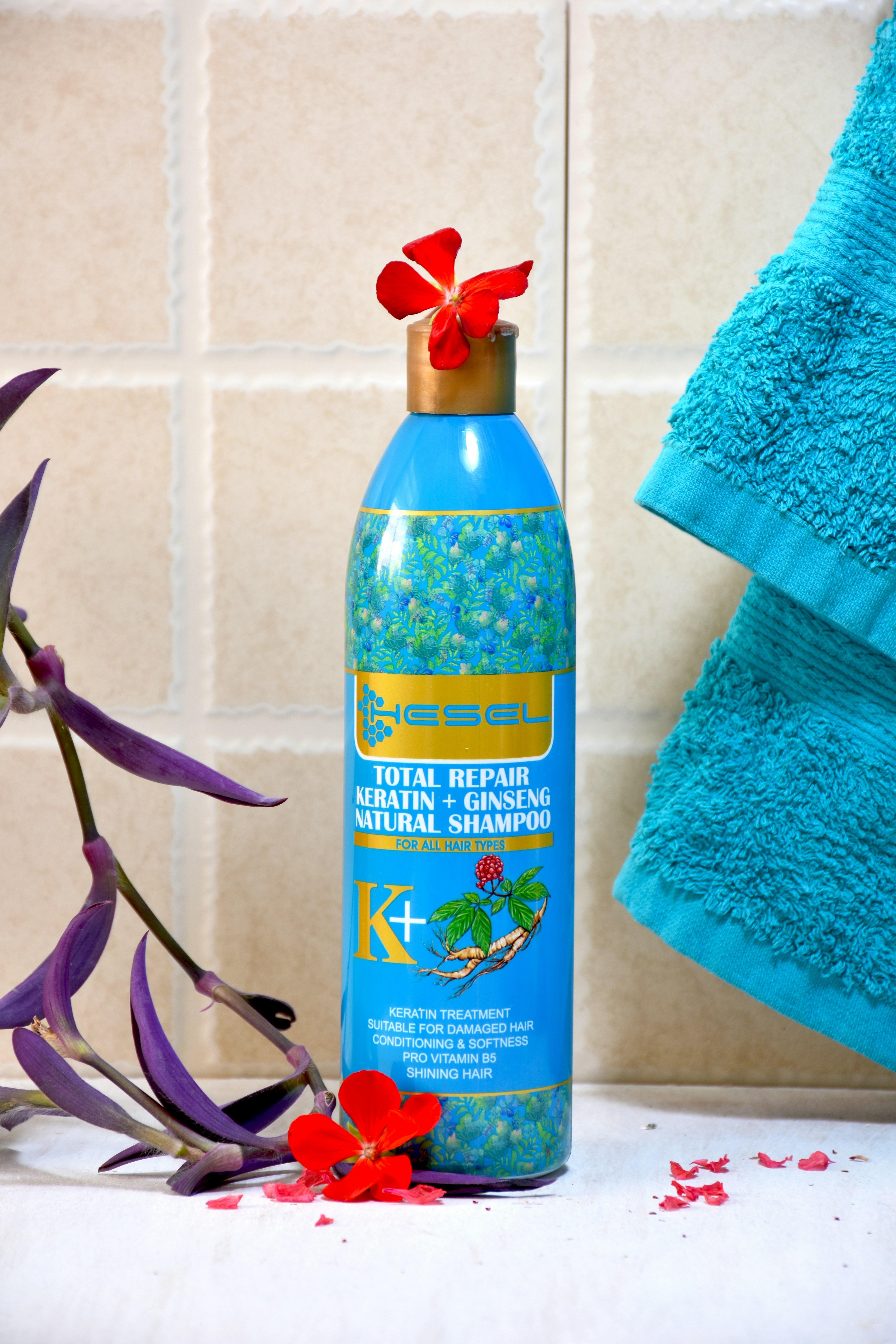
Introduction to Natural Shampoo
The growing awareness of the benefits associated with natural hair care has led to an increasing number of Australians opting for DIY shampoo alternatives. Unlike commercial products, which often contain harsh chemicals and synthetic additives, natural shampoo recipes leverage the power of organic ingredients to nourish hair without compromising scalp health. By utilizing products such as aloe vera, coconut oil, and essential oils, individuals can create a gentle, effective solution tailored to their unique hair types and concerns.
One of the significant advantages of using DIY shampoo in Australia is the reduced environmental impact. With the Australian community increasingly prioritizing eco-friendly practices, natural hair care products align seamlessly with the principles of sustainability. Many commercially produced shampoos contribute to pollution and environmental degradation through the use of non-biodegradable packaging and toxic chemical runoff. Conversely, when individuals make their own shampoos, they can choose to utilize recyclable materials and local ingredients, thus minimizing their ecological footprint.
Moreover, natural shampoos are less likely to provoke irritation or allergic reactions, making them an excellent choice for those with sensitive skin. Synthetic fragrances, sulfates, and parabens, commonly found in store-bought shampoos, can strip moisture from the hair and scalp, leading to dryness and damage. In contrast, the use of natural ingredients can bolster moisture retention and promote overall hair health. Consumers are increasingly recognizing the myriad benefits of embracing natural alternatives, particularly as they seek more gentle and nourishing solutions for their hair care needs. This renewed focus on health and well-being is prompting an enthusiastic adoption of DIY shampoo recipes throughout Australia.
Understanding the Ingredients
When embarking on the journey of creating a DIY shampoo in Australia, it is essential to understand the various natural ingredients available and how they can enhance hair care. Natural hair care emphasizes using organic components that are free from harsh chemicals, which is a key consideration for many consumers today. Some of the most popular ingredients include coconut oil, aloe vera, essential oils, and various botanical extracts, each bringing unique benefits tailored to different hair types.
Coconut oil is highly regarded for its moisturizing properties. It not only hydrates the hair but also penetrates the hair shaft, reducing protein loss and preventing damage. This makes coconut oil particularly beneficial for individuals with dry or frizzy hair. Additionally, its antimicrobial properties help to maintain a healthy scalp, promoting overall hair wellness.
Aloe vera, another staple in natural hair care, is known for its soothing and hydrating qualities. Rich in vitamins and minerals, aloe vera gel can help alleviate scalp irritations while conditioning the hair. It is especially effective for oily hair types, as it helps balance the scalp’s natural oils and can provide a refreshing cleansing experience.
Essential oils play a pivotal role in DIY shampoos, not only for their pleasant fragrances but also for their therapeutic properties. Oils such as lavender, rosemary, and tea tree oil can help address various hair concerns. Lavender oil is known for its calming effects, while rosemary oil is often praised for stimulating hair growth and improving circulation to the scalp. Tea tree oil, renowned for its antifungal properties, addresses dandruff and other scalp issues.
Lastly, botanical extracts derived from plants provide powerful nutrients that support hair health. Ingredients like chamomile, hibiscus, and rosehip oil can enhance shine, strengthen hair, and promote growth. Incorporating these natural ingredients into DIY shampoo recipes allows Australians to customize their hair care regimens based on their individual needs and preferences.
Basic DIY Shampoo Recipe
Creating your own shampoo at home can be an enjoyable and empowering experience. This basic DIY shampoo recipe provides a straightforward starting point for Australians keen on exploring natural hair care alternatives. The ingredients required are easily accessible and free from harsh chemicals commonly found in commercial hair products.
Ingredients:
- 1 cup of liquid castile soap
- 1 cup of distilled water
- 1 tablespoon of coconut oil (optional for extra moisture)
- 10-15 drops of essential oils (such as lavender, tea tree, or rosemary for fragrance and scalp benefits)
- 1 teaspoon of vitamin E oil (optional for nourishment)
Tools Required:
- Mixing bowl
- Whisk or spoon
- Empty shampoo bottle or dispenser
- Funnel (optional for easier pouring)
Instructions:
- In a mixing bowl, combine the liquid castile soap and distilled water. Stir gently to avoid excessive bubbles.
- If desired, add the coconut oil and mix until well integrated. This oil will provide additional hydration to your hair.
- Incorporate the essential oils and vitamin E oil into the mixture, whisking until everything is evenly combined.
- Using a funnel, carefully pour the mixture into your empty shampoo bottle. Ensure that the bottle is clean and dry before use.
- Shake gently before each use, as natural ingredients may separate over time.
This basic DIY shampoo is an excellent introduction to the world of natural hair care. By controlling the ingredients, you can customize your shampoo to suit your hair type and preferences. It’s simple, effective, and a great way to engage in more sustainable Beauty practices in Australia.
Shampoo Recipes for Different Hair Types
Creating DIY shampoo tailored to individual hair types presents a natural hair care approach that caters to specific needs. Understanding your hair type is essential for selecting the right ingredients. Below are several DIY shampoo recipes designed for oily, dry, curly, and color-treated hair, ensuring that all Australians can benefit from personalized hair care solutions.
For Oily Hair: A shampoo for oily hair should focus on eliminating excess oil while maintaining moisture balance. Combine one cup of unscented castile soap with two tablespoons of apple cider vinegar and five drops of tea tree essential oil. Mix these ingredients thoroughly and store in a clean bottle. To use, apply to wet hair, massage into the scalp, and rinse thoroughly. The tea tree oil offers antibacterial properties that assist in reducing oiliness, promoting a healthier scalp.
For Dry Hair: To address dryness, a moisturizing shampoo made with nourishing ingredients is essential. In a bowl, blend one cup of mild liquid castile soap with half a cup of coconut milk and a tablespoon of honey. This combination not only hydrates but also softens the hair. Mix well and transfer to a bottle. When using, distribute a small amount to damp hair, work into a lather, and rinse off. Coconut milk is rich in vitamins and helps replenish moisture, making it ideal for dry hair.
For Curly Hair: Individuals with curly hair typically require extra moisture and a gentle formula. To make a curly hair shampoo, mix one cup of coconut or olive oil with two tablespoons of aloe vera gel and half a cup of liquid castile soap. Stir until well combined and store in a bottle. Apply on wet hair, focusing on the scalp before gently massaging and rinsing. The oils and aloe vera work together to define curls while keeping them hydrated.
For Color-Treated Hair: Maintaining color vibrancy is vital for color-treated hair. To create a gentle cleansing shampoo, mix one cup of unscented liquid castile soap, a cup of distilled water, and two drops of lavender essential oil. This soothing formula cleans without stripping color. Apply it to wet hair, lather, and rinse thoroughly. Lavender oil also provides a calming scent while promoting scalp health.
By using these DIY shampoo recipes tailored to different hair types, Australians can embrace natural hair care solutions that suit their unique needs. Each recipe combines essential elements that respect diversified hair characteristics, promoting healthier hair in the process.
Incorporating Australian Botanicals
Australia’s unique flora offers a wealth of botanicals that can significantly enhance the efficacy of DIY shampoo recipes. Utilizing native plants such as tea tree oil, eucalyptus, and macadamia nut oil not only promotes natural hair care but also provides a sustainable approach to personal grooming. These ingredients are renowned for their beneficial properties, ensuring that homemade shampoos can nourish and protect the hair effectively.
Tea tree oil, extracted from the leaves of the Melaleuca alternifolia tree, is particularly celebrated for its antimicrobial and antifungal properties. When included in DIY shampoo, tea tree oil can help combat dandruff and soothe an irritated scalp, making it an excellent choice for those struggling with scalp issues. A few drops of this potent oil can be blended into a basic shampoo base to create a revitalizing solution for maintaining scalp health.
Eucalyptus, another prominent Australian botanical, is noted for its refreshing properties. With its natural antiseptic qualities, eucalyptus oil can invigorate the scalp and promote healthy hair growth. To incorporate eucalyptus into a DIY shampoo, one can infuse it with a carrier oil like coconut oil or almond oil, creating a nourishing blend that can enhance both hair texture and scalp wellness.
Lastly, macadamia nut oil is prized for its moisturizing capabilities, making it ideal for dry or frizzy hair. Rich in monounsaturated fatty acids, macadamia oil helps to hydrate and smooth the hair cuticle, leading to a shinier appearance. Mixing macadamia oil with other natural ingredients in a DIY shampoo formulation can effectively restore moisture and vitality to the hair, contributing to a comprehensive natural hair care routine.
By embracing these Australian botanicals, individuals can create personalized DIY shampoo recipes that not only celebrate local resources but also enhance overall hair health. Through careful selection and blending of these ingredients, one can truly elevate their natural hair care regimen.
Tips for Customizing Your Shampoo
Creating a DIY shampoo that meets your specific hair care needs can be an enjoyable and satisfying process. One of the primary benefits of crafting your own natural hair care products is the ability to personalize them according to your preferences and requirements. To start, consider the base ingredients of your shampoo. You might choose alternatives such as castile soap, coconut milk, or even aloe vera gel, depending on your hair type and desired results. Each of these options can provide different benefits, so feel free to experiment until you find what works best for you.
Another vital aspect of customization is the addition of essential oils. Not only do these oils provide delightful fragrances, but they can also offer targeted benefits for your hair. For instance, lavender oil is known for its soothing properties and can promote hair growth, while tea tree oil helps combat dandruff and other scalp issues. As you select essential oils, think about the scent you prefer and the benefits they might bring to your hair care routine.
When creating your DIY shampoo in Australia, it is crucial to pay attention to dietary restrictions or allergies you or your family members may have. Opt for natural ingredients that are free from sulfates and parabens, which can often cause irritation. Moreover, using local Australian ingredients such as tea tree oil or macadamia oil not only supports local businesses but also benefits your hair due to their unique properties. Remember to perform a patch test with any new ingredient to ensure there are no adverse reactions.
In conclusion, by experimenting with different combinations of ingredients, adjusting scents with essential oils, and carefully selecting components based on dietary needs or allergies, you can create a customized DIY shampoo that caters to your specific hair care requirements. This personalized approach to natural hair care not only enhances the overall appeal but also contributes to healthier hair and scalp.
Storing and Preserving Your Shampoo
When embarking on the journey of creating a diy shampoo australia, proper storage and preservation are crucial to maintain its effectiveness and safety. Homemade shampoos typically lack the preservatives found in commercial products, making their shelf life shorter. Generally, you can expect a diy shampoo to last from two to six weeks, depending on the recipe and ingredients used. The primary factors affecting the longevity of your natural hair care products are the presence of moisture, exposure to light, and temperature fluctuations.
To enhance the shelf life of your homemade shampoo, consider using airtight containers made of dark glass or BPA-free plastic. These materials not only prevent spills and contamination but also protect the shampoo from light, which can degrade certain natural ingredients. It is advisable to label your container with the creation date and a list of ingredients to help you keep track of its freshness. If you prefer to store a larger quantity, refrigeration can extend the product’s life by a few additional weeks.
Recognizing when your shampoo has gone bad is equally important. If you notice any changes in color, texture, or scent, it is advisable to discard the product. A sour or rancid odor can indicate the presence of unwanted microbial growth, while any separation of components may signify that the shampoo is no longer stable. Understanding these factors can greatly improve your experience with natural hair care and the benefits it brings.
In conclusion, by following these straightforward storage guidelines, you can ensure that your diy shampoo remains effective for an extended period. Taking the necessary precautions will not only enhance your natural hair care routine but also provide peace of mind, allowing you to use your homemade products safely and effectively.
Transitioning to Natural Shampoo
The transition from commercial shampoos to DIY shampoo options in Australia can be a significant adjustment for many individuals. The primary reason for this switch often stems from a desire for healthier, more natural hair care products that avoid synthetic chemicals. However, the initial phase of using natural shampoo can lead to noticeable changes in hair texture, oil production, and overall hair health. Understanding this process is crucial for a successful transition.
When you begin using a DIY shampoo, particularly one that emphasizes natural ingredients, your scalp may initially react by producing more oil. This occurs because many commercial shampoos contain harsh detergents that strip away natural oils, leading the scalp to overcompensate. Consequently, the initial weeks may result in greasier hair as your scalp adjusts. On the other hand, as you continue using natural hair care products, your scalp’s oil production typically stabilizes, often leading to healthier hair over time.
The duration of the transition period can vary greatly among individuals, with some experiencing noticeable improvements within a few weeks, while others may take months. Factors influencing this timeline include hair type, scalp condition, and the specific natural shampoo used. For those eager to make the switch, patience is vital, as this transition can reveal the true potential of your hair’s health.
During this period, there are several tips that can help mitigate common challenges. First, consider alternating between your DIY shampoo and your previous commercial product until your hair adjusts. This technique can minimize drastic changes in texture while allowing your scalp to acclimate gradually. Secondly, keep your hair well-conditioned using natural conditioners to support moisture retention. Lastly, remember that everyone’s experience with natural hair care is unique; embracing this individuality will make the transition smoother.
Frequently Asked Questions
As more Australians turn to diy shampoo options to support their natural hair care routines, several common questions arise regarding their efficacy, potential allergic reactions, and best practices for maintaining healthy hair with homemade products.
One of the primary concerns revolves around the effectiveness of natural hair care formulations compared to commercial shampoos. Many readers wonder if DIY shampoos can adequately cleanse the scalp and remove product buildup. While the cleaning agents in natural shampoos may differ from conventional options, they can still be quite effective. Ingredients like baking soda, apple cider vinegar, and essential oils have cleansing properties that can be beneficial for hair health. However, the results may vary from person to person, depending on individual hair types and needs.
Allergic reactions are another significant concern. When creating diy shampoo products, it is crucial to be aware of potential allergens in various ingredients. Essential oils and herbal extracts, while beneficial, can provoke sensitivities in some individuals. To minimize the risk, it is advisable to conduct a patch test on a small area of skin before applying any new products to your scalp or hair. Maintaining a record of the ingredients used will help in identifying any potential allergens more easily in the future.
Lastly, readers often seek guidance on practices that promote healthy hair while using homemade shampoos. It is essential to establish a hair care routine that incorporates conditioning treatments and gentle handling of hair. Regularly alternating between DIY shampoos and commercial options may also provide balance, addressing the specific needs of your hair while giving it the care it deserves. Ultimately, DIY natural shampoos can be effective, but understanding personal hair needs and maintaining safety practices is key to success.