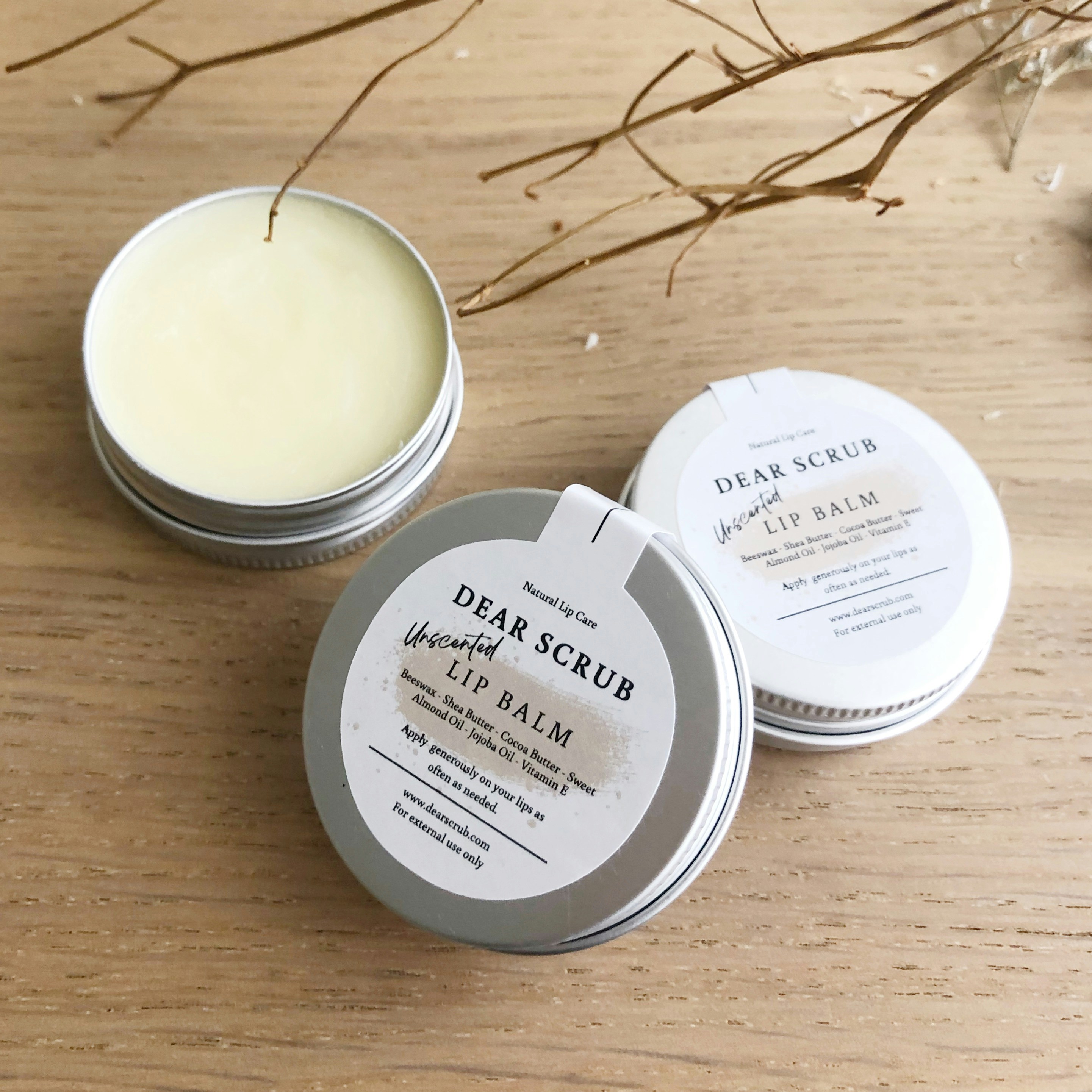
Introduction to DIY Lip Balms
In recent years, there has been an increasing trend toward creating DIY products, particularly in the realm of personal care. One area that has garnered significant attention is the formulation of DIY lip balms. These homemade creations not only allow individuals to exert greater control over the ingredients that touch their skin but also offer numerous benefits that commercial products often do not. By opting for DIY lip balm, one can favor natural lip care solutions that prioritize health and wellness.
One of the key advantages of making your own lip balm lies in the ability to choose natural components, steering clear of chemical-laden alternatives commonly found in store-bought options. Many commercial lip balms contain synthetic fragrances, preservatives, and artificial colors, which can be harsh on sensitive skin. In contrast, DIY formulations often incorporate organic oils, butters, and essential oils, which are gentler and more nourishing, promoting improved hydration and protection against environmental stressors.
Furthermore, focusing on Australian ingredients can enhance the quality and effectiveness of your homemade lip balms. Australia is Home to a variety of unique botanicals renowned for their beneficial properties. For example, the inclusion of native oils, such as jojoba or macadamia, can provide extensive hydration and a delightful texture. Additionally, utilizing beeswax from Australian sources not only contributes to the emulsifying properties essential for a smooth balm but also supports local beekeepers and sustainable practices.
As more individuals pursue natural lip care options, the allure of DIY lip balms continues to grow. These custom formulations enable users to personalize flavors, textures, and scents that cater specifically to their preferences, making the experience both enjoyable and rewarding. Embracing a DIY approach allows anyone to harness the power of nature and develop lip care solutions that are not just effective but also wholesome and environmentally conscious.
Essential Ingredients for Natural Lip Balm
Creating a DIY lip balm in Australia begins with understanding the essential ingredients that contribute to a nourishing and effective product. The primary components include carrier oils, butters, beeswax, and essential oils, each serving a unique purpose in lip care.
Carrier oils, such as sweet almond oil, jojoba oil, and coconut oil, are crucial in providing hydration and softness to the lips. They help to lock in moisture and create a smooth application. When sourcing these oils, look for options that are organic and cold-pressed, as they retain more of their beneficial properties. Many health food stores and local markets across Australia offer high-quality carrier oils that can be accessed easily.
Butters, particularly shea butter and cocoa butter, play a vital role in adding a rich texture to the lip balm. They are known for their emollient properties, which help to soothe and repair dry, chapped lips. These butters can often be found at specialty vitamin shops or online retailers focused on natural ingredients.
Beeswax is another fundamental ingredient, providing structure and firmness to the lip balm while creating a protective barrier against environmental factors. When choosing beeswax, opt for local Australian sources as they often adhere to higher standards of sustainability and quality. Local beekeepers often sell their products at farmers’ markets or via online platforms.
Lastly, essential oils can be added for fragrance and additional therapeutic benefits. Options such as peppermint or lavender can enhance the user experience without compromising the natural integrity of the lip balm. Always ensure that these oils are 100% pure and suitable for topical use. Many Australian suppliers specialize in essential oils, providing a range of options for your DIY lip balm projects.
All these key ingredients combine to create a natural lip care product that is both effective and enjoyable to use. By sourcing them locally, you not only support Australian businesses but also ensure the freshness and quality of your DIY lip balm.
Basic Lip Balm Recipe
Creating your own DIY lip balm in Australia is both rewarding and straightforward, allowing for a personalized approach to natural lip care. To start with a basic lip balm recipe, you will need the following ingredients:
- 2 tablespoons of beeswax pellets
- 2 tablespoons of coconut oil
- 2 tablespoons of shea butter
- Optional: a few drops of essential oil for fragrance
- Optional: a lip-safe colorant
Once you have gathered your ingredients, follow these simple steps to create your lip balm:
- Begin by measuring out the beeswax, coconut oil, and shea butter using a heatproof container. It’s important to be precise to achieve the perfect consistency.
- Place the container in a double boiler or microwave, heating gently until everything is melted and combined. Stir the mixture periodically to ensure even melting.
- If desired, add a few drops of essential oil and mix thoroughly to incorporate it into the balm for a pleasant aroma.
- Once melted, carefully pour the mixture into lip balm tubes or small containers. Be cautious, as the mixture will be hot.
- Allow the balm to cool and solidify at room temperature, which usually takes about 30 minutes.
For best results, it is recommended to store your homemade lip balm in a cool, dry place. This basic recipe serves as an excellent starting point for those venturing into the world of DIY lip care. Experimenting with different oils or flavors can lead to the creation of unique balms tailored to personal preferences. As you gain confidence in making lip balms, feel free to explore further variations with additional natural ingredients, enhancing both the texture and benefits of your final product.
Flavored Lip Balm Variations
Creating custom flavored lip balm is an enjoyable process that allows enthusiasts of natural lip care to explore personal preferences while ensuring that their products remain free from synthetic additives. To successfully infuse flavor into your DIY lip balm in Australia, consider using essential oils or natural extracts, which not only enhance the scent but also add unique tastes to the balm.
One popular variation involves infusing your base lip balm recipe with citrus essences. Essential oils such as lemon or orange can be added in small quantities for a refreshing and uplifting flavor. It is advised to choose high-quality oils designated as suitable for cosmetic use to ensure safety when applying on the lips.
Another delightful option includes vanilla-flavored lip balm. Vanilla extract can be used sparingly in your mixture to introduce a warm and sweet taste. This flavor not only adds a pleasant profile but also evokes a sense of comfort and nostalgia, making it a favored choice among many.
For those seeking a more herbal flavor, peppermint essential oil is an excellent choice. It provides a cooling sensation and refreshing taste, unlike anything synthetic. Just a few drops will suffice, as peppermint is quite potent, and it beautifully complements the natural emollient properties of the balm.
When creating your flavored lip balm variations, it’s essential to allow personal creativity to shine. Feel free to explore combinations, such as chocolate mint or coconut lime, which can be particularly popular in Australia. Furthermore, experimenting with local ingredients can lead to the discovery of new flavors that reflect the country’s unique tastes.
These variations not only turn a simple balm into a personalized treat but also affirm the principles of natural lip care by utilizing plant-derived ingredients that benefit both the lips and the senses. In summary, flavored lip balms can be tailored easily to meet individual tastes, making the DIY approach a rewarding endeavor.
Tinted Lip Balm Recipes
Tinted lip balms represent a wonderful intersection of color and care, allowing individuals to enhance their lips while using products that nurture and protect. In Australia, where sun exposure is high, having a natural lip care routine that includes tinted balms is especially beneficial. These DIY lip balm recipes can make use of the rich variety of native botanicals to create a spectrum of beautiful shades while ensuring the lips remain soft and hydrated.
One common natural colorant that can be incorporated into these recipes is beetroot powder. This vibrant powder not only provides a striking color but is also rich in antioxidants and vitamins that can benefit lip health. To craft a simple beetroot tinted lip balm, you can start with a base of beeswax, coconut oil, and shea butter. Melt these ingredients together, gradually whisking in 1 teaspoon of beetroot powder. Adjust the quantity based on the desired intensity of color. Once the mixture cools, pour it into balm containers and allow it to set.
Another remarkable option is hibiscus petals, which yield a lovely pink hue. To create a hibiscus-infused balm, steep dried hibiscus petals in sweet almond oil for several hours or overnight. After straining the oil, blend it with beeswax and shea butter using the same method described above. The subtle tint provided by hibiscus, combined with its anti-inflammatory properties, makes this balm a popular choice for natural lip care enthusiasts. Additionally, consider incorporating a touch of vitamin E oil as it offers further nourishment and extends shelf life.
These recipes showcase how easy it is to create tinted lip balms with natural ingredients found throughout Australia. Through the use of local botanicals, you can enjoy the benefits of both color and moisturization, creating a product that is as good for your lips as it is visually appealing.
Seasonal Lip Balm Recipes
Creating natural lip care products at home allows enthusiasts to customize their formulations according to seasonal needs. In Australia, the climate varies significantly from balmy summers to dry, chilly winters, necessitating adjustments to lip balm ingredients to ensure optimal protection and hydration for the lips throughout the year.
During summer, the focus should shift towards protection against sun exposure and hydration. A popular summer DIY lip balm recipe might include ingredients such as coconut oil, beeswax, and shea butter, which offer essential moisture while providing a light texture that doesn’t feel heavy on the lips. To enhance sun protection, a natural oil with a high SPF factor, such as raspberry seed oil, can be incorporated. This oil not only acts as a sun barrier but also hydrates the lips, making it an ideal summer choice. Furthermore, adding a few drops of peppermint essential oil can offer a refreshing feel, perfect for hot days.
As the seasons change and winter arrives, the need for richer, more emollient formulations becomes evident. Cold, dry air can lead to chapped lips, so a winter DIY lip balm recipe should include heavier oils and butters. Ingredients like avocado oil, cocoa butter, and vitamin E oil provide intense moisture and create a barrier to lock in hydration. Consider incorporating honey for its antibacterial properties along with its humectant nature, which helps retain moisture. Additionally, a touch of calendula oil can promote healing, making it an excellent choice for those suffering from winter lip discomfort.
By tailoring DIY lip balm recipes to the changing seasons, individuals can ensure their natural lip care routine remains effective and protective throughout the year, adapting to both summer’s heat and winter’s dryness. This seasonal approach fosters a deeper understanding of the specific needs of lips in varying climatic conditions and can improve overall lip health.
Benefits of Going Natural
Utilizing natural lip balms, particularly those that embody the principles of DIY lip balm in Australia, brings a myriad of benefits that extend beyond mere aesthetics. One notable advantage is the enhancement of skin health. Natural ingredients tend to be more nourishing and less irritating to the skin compared to their synthetic counterparts. Ingredients such as beeswax, coconut oil, and shea butter provide hydration while forming a barrier that protects the lips from harsh environmental conditions. This is especially crucial in Australia, where the sun’s intensity can lead to chapped and dry lips.
Environmental impacts also play a significant role in the movement towards natural lip care. Most commercially produced lip balms are packaged in plastic containers that contribute to environmental degradation. By opting for DIY alternatives that employ Australian ingredients, such as Kakadu plum and macadamia oil, individuals not only promote sustainability but also support local farmers and artisans. Using locally sourced ingredients reduces the carbon footprint associated with transportation, aligning with eco-friendly practices that are increasingly important in today’s climate-conscious world.
Allergy considerations are another critical factor to take into account. Many commercial products contain artificial fragrances and preservatives that can trigger allergic reactions. In contrast, natural lip balms allow users to control the formulation by selecting ingredients that are safe for their skin. This is particularly beneficial for those with sensitive skin who may struggle to find products that do not cause irritation. Research shows that natural solutions, including those incorporating Australian botanicals like Kakadu plum, can offer therapeutic benefits due to their high antioxidant content.
In conclusion, the decision to use natural lip care products not only promotes better skin health but also fosters environmental responsibility and minimizes allergic reactions. Embracing DIY lip balm recipes allows individuals to personalize their lip care routines while making a positive impact on both their well-being and the planet.
Tips for Storing and Using DIY Lip Balms
Creating your own natural lip care products allows for an enriching experience, particularly when crafting DIY lip balm in Australia. However, ensuring these balms maintain their quality and effectiveness requires attention to proper storage and usage practices. Understanding the shelf life of your homemade lip products is crucial; typically, a well-made DIY lip balm can last from six months to one year. This duration can be influenced by the ingredients used, particularly if natural additives are incorporated. Therefore, labeling your lip balm containers with the date of creation can help you keep track of freshness.
For storage, it is best to keep your DIY lip balms in a cool, dry place. Exposure to heat and sunlight can lead to melting or degradation of the oils and butters used, ultimately diminishing the effectiveness of the balm. A dark, cool storage area—such as a pantry or cupboard—is ideal. Furthermore, using airtight containers can help prevent moisture from spoiling the natural ingredients, thus prolonging the shelf life and ensuring your lip balm stays smooth and usable.
When it comes to application, using clean fingers or a lip brush is recommended to maintain hygiene and avoid contamination. Applying a generous layer can help provide long-lasting hydration, particularly in Australia’s varying climates. During summer months, it may be beneficial to store your lip balm in the refrigerator, as this can create a refreshing effect and help maintain texture. Additionally, those with sensitive skin may want to perform a patch test on a small area before widespread use, ensuring compatibility with their skin type. With these simple tips, you can enjoy the benefits of natural lip care while ensuring your DIY lip balm remains effective over time.
Conclusion and Encouragement to Experiment
Throughout this exploration of DIY lip balm in Australia, we have unveiled the various possibilities that lie within natural lip care. By utilizing accessible ingredients, individuals can create their own nourishing lip balms tailored to personal preferences. The journey of crafting these balms encourages an appreciation for self-sufficiency and creativity, allowing one to customize formulations that cater to specific needs. The blend of natural oils, butters, and essential oils not only enhances the effectiveness of the products but also embodies the essence of using nature’s best extracts.
Engaging in the process of making lip balm can be both therapeutic and rewarding. It allows for experimentation with diverse ingredients, promoting a sense of individuality in every creation. Furthermore, as advancements in sustainable living grow, making one’s own lip care products contributes to a more eco-conscious lifestyle. The inherent satisfaction derived from knowing exactly what is in your lip balm can lead to a more mindful approach towards personal care products.
Readers are encouraged to experiment with different combinations of natural waxes, oils, and flavorings. Whether it’s infusing a hint of peppermint or opting for the richness of cocoa butter, the possibilities are extensive. This creative outlet not only fosters a deeper connection with one’s wellness routine but can also be shared with loved ones as thoughtful, homemade gifts. The act of crafting becomes a fulfilling practice, celebrating the benefits of sustainable and natural lip care.
In conclusion, we invite everyone to embrace the experience of creating DIY lip balm in Australia. As you embark on this journey, remember to have fun, be imaginative, and indulge in the self-care that comes from nurturing your lips naturally.